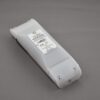
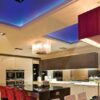
The Rako Lighting Control module is an essential component of Rako’s advanced lighting systems, designed to offer flexible and intelligent lighting management for homes, offices, and commercial spaces. With its range of wired and wireless options, the Rako Lighting Control module can control multiple lighting types, along with non-lighting functions such as motorised blinds, AV systems, and more. This article explores the comprehensive control capabilities of the Rako Lighting Control module and how it transforms lighting environments.
1. Control of Dimmable Lighting
One of the primary functions of the Rako Lighting Control module is to control the dimming of various types of lighting fixtures. Dimming control allows users to adjust the brightness of individual lights or groups of lights, creating the perfect ambiance for any occasion. Whether it’s for practical use in a kitchen or subtle lighting for a living room, dimmable control is a key feature.
Rako modules support both leading-edge and trailing-edge dimming technologies, ensuring compatibility with a broad range of lights, including:
- LEDs: LEDs are increasingly becoming the standard in modern lighting due to their energy efficiency and longevity. Rako’s dimming modules, such as the RMT500, are designed to handle different LED types, including GU10 LED lamps and dimmable LED drivers.
- Halogen and Incandescent Lights: Traditional lighting technologies such as halogen and incandescent bulbs are fully supported by Rako modules. Dimming control for these older lighting systems helps reduce energy consumption while maintaining the desired light levels.
- Low-Voltage Lighting: Rako modules can also manage low-voltage lighting systems, including those commonly found in architectural and specialty lighting. These types of lights often require precise control, which Rako provides.
The dimming functionality offered by Rako modules extends beyond basic on/off control. Users can fine-tune lighting levels to suit specific moods or tasks, making it a versatile option for both residential and commercial applications.
2. Non-Dimmable Lighting and Electrical Loads
While dimming control is a significant aspect of the Rako system, the control module also handles non-dimmable loads. These are lights or devices that operate with a simple on/off function without the need for gradual brightness control. Non-dimmable control is essential for managing lighting circuits or other electrical loads where dimming is unnecessary or impractical.
Rako’s RAK8-S module, for example, is designed specifically to manage non-dimmable loads such as general-purpose lighting, transformers, and motorised applications like fans or pumps. This flexibility makes the Rako system adaptable to different types of lighting and electrical installations.
3. Scene and Mood Control
The ability to create and manage different lighting scenes is one of the standout features of the Rako Lighting Control module. Scene control allows users to preset lighting configurations tailored to specific activities or times of day. For instance, you can create a “Dinner” scene with soft lighting in the dining area, or a “Relax” scene that dims the lights in the living room to a comfortable level.
Scene-setting is particularly useful in spaces that serve multiple functions. In an open-plan living space, for example, you may want bright lighting in the kitchen while the adjacent seating area is softly lit for relaxation. The Rako system makes it easy to set up and switch between different lighting scenes at the touch of a button.
This feature enhances not only convenience but also energy efficiency, as users can optimise the amount of light needed for each activity.
4. Motorised Blinds, Curtains, and Other Non-Lighting Devices
The Rako Lighting Control module extends beyond just lighting. It can also control motorised systems such as blinds, curtains, and screens. These systems are often integrated into smart homes or commercial buildings where automated shading is required to manage sunlight or privacy.
Using modules like the WM-CUB, users can control the opening and closing of blinds or curtains through the same interface they use for lighting control. This integration provides a streamlined, unified control system for all the motorized elements in a building. The added functionality offers enhanced convenience, particularly in large spaces like conference rooms, theatres, or home cinemas where automated curtains or screens are required.
5. Advanced Integration with AV Systems
For users looking for a holistic smart home or building automation experience, the Rako system also integrates seamlessly with audio-visual (AV) systems. This integration allows for coordinated control of both lighting and AV equipment, such as projectors, sound systems, and screens.
For example, in a home cinema setup, you can create a “Movie” scene that dims the lights, lowers the screen, and powers on the projector—all with a single command. The integration capabilities of Rako’s modules make it possible to design a fully automated environment that enhances both comfort and efficiency.
6. DMX and DALI Control for Advanced Lighting Systems
For more complex lighting systems, particularly in commercial and theatrical environments, Rako’s modules support DMX (Digital Multiplex) and DALI (Digital Addressable Lighting Interface) protocols. DMX is often used for stage lighting and colour-changing LED systems, while DALI is commonly employed in commercial spaces for precise lighting control.
With the RSR-DMX module, Rako provides advanced control over DMX systems, enabling users to manage colour-changing lights and effects. This is especially useful in applications where lighting is an integral part of the atmosphere, such as art installations, cinema, or clubs.
Similarly, DALI control allows for the precise management of large lighting networks, where each light can be individually addressed and controlled. This level of control is crucial in environments like offices or retail spaces where lighting needs to be highly adaptive to different tasks or displays.
7. Integration with Smart Home Systems and Voice Control
As part of its commitment to providing a modern and flexible control solution, Rako offers integration with smart home systems such as Amazon Alexa, Google Home, and Apple HomeKit. Through the Rako Hub, users can control lighting and other devices with voice commands, making hands-free operation a reality.
In addition to voice control, the Rako system is fully compatible with mobile devices. The Rako app allows users to adjust lighting settings, create new scenes, and monitor energy usage from their smartphones or tablets. This level of control ensures that users can manage their lighting systems from anywhere, offering both convenience and peace of mind.
8. Scalability and Flexibility for Different Installations
Rako’s control modules are designed to be scalable, making them suitable for small residential installations as well as large commercial projects. The system’s modular design allows users to start with a basic setup and expand it over time as needed. Whether it’s controlling a single room or an entire building, Rako’s modules provide the flexibility to meet the needs of any project.
The system also supports a hybrid approach, where wired and wireless modules can be combined to create a custom solution. This adaptability is particularly useful for projects that involve retrofitting older buildings where rewiring might be impractical.
Conclusion
The Rako Lighting Control module is an incredibly versatile and powerful tool for managing modern lighting systems. From simple dimming to complex scene-setting, motorised blinds, AV integration, and advanced DMX and DALI control, Rako modules offer comprehensive solutions for both residential and commercial applications. With the ability to integrate with smart home systems and provide remote access through mobile devices, Rako’s lighting control modules bring flexibility, convenience, and energy efficiency to any space.